Difference Between Mitosis and Meiosis: Definition, Stages, Table & Easy Comparison
Published on February 12th, 2026
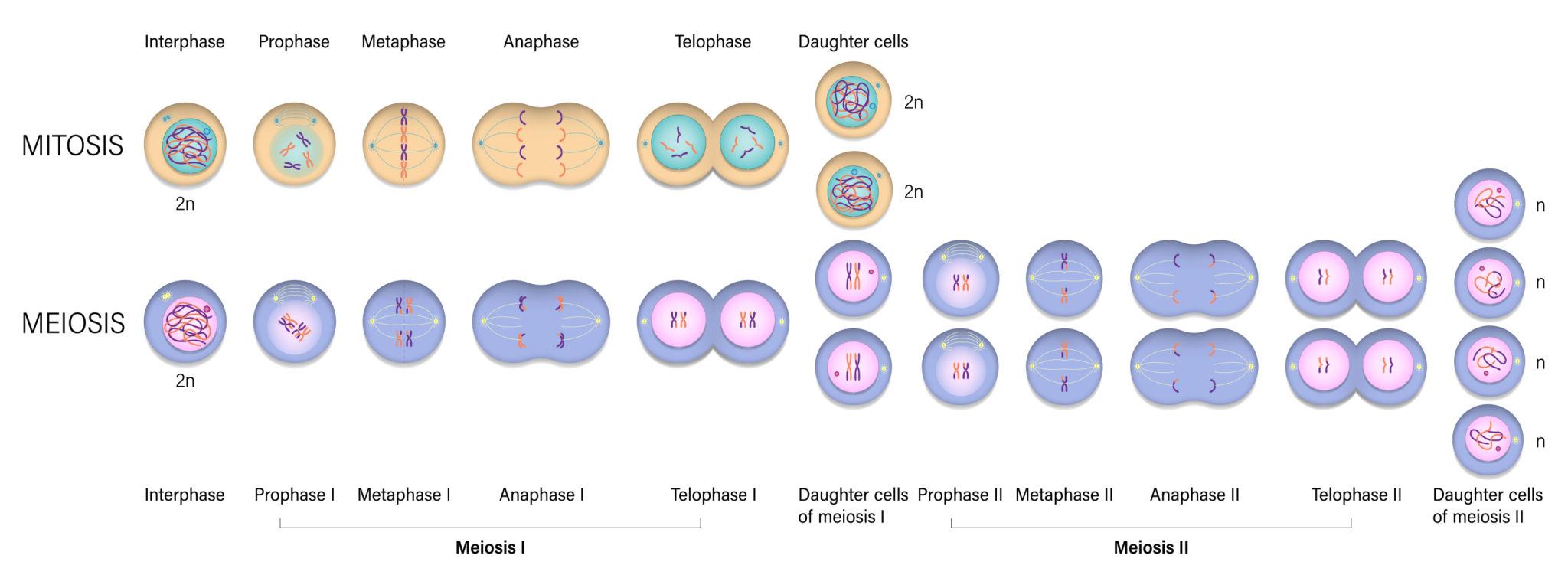
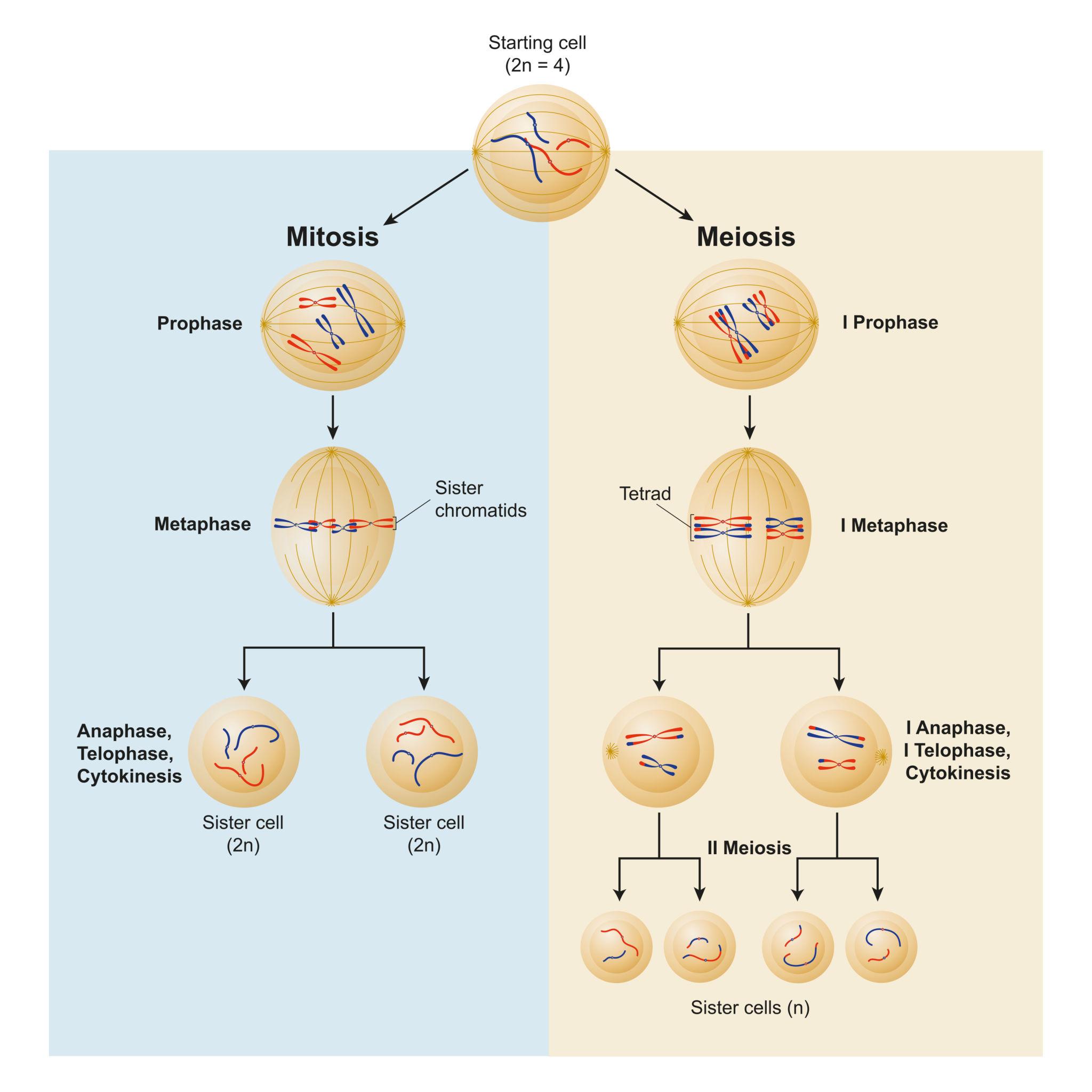
In biology, cell division is one of the most important processes that keeps life going. From growth and healing to reproduction, everything depends on how cells divide. Two major types of cell division are mitosis and meiosis.
Many students get confused between the two because both involve similar stages like prophase, metaphase, anaphase, and telophase. However, their purpose, outcome, and importance are very different.
In this blog, we will clearly understand:
-
What mitosis is
-
What meiosis is
-
Key differences between mitosis and meiosis
-
Stages explained in simple terms
-
Exam-focused comparison table
Let’s break it down in a simple and logical way.
What Is Mitosis?
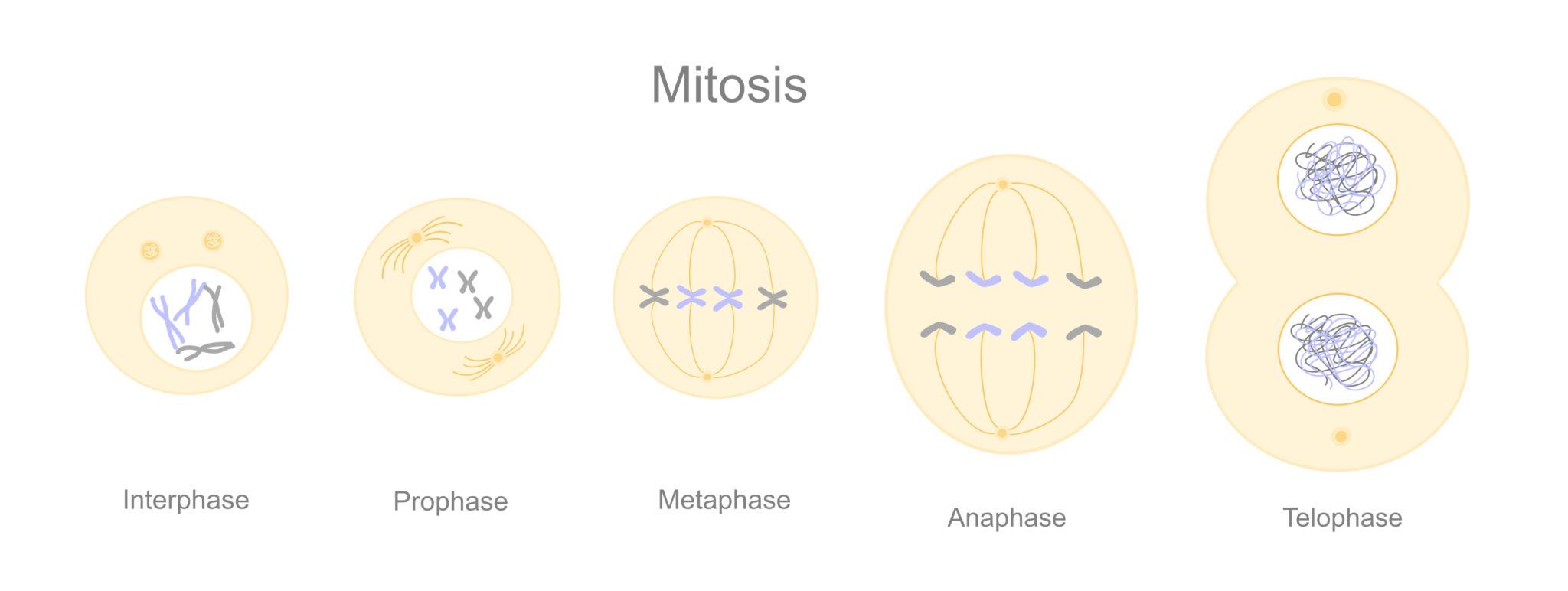
Mitosis is the type of cell division that results in two identical daughter cells, each having the same number of chromosomes as the parent cell.
It is responsible for:
-
Growth of the body
-
Repair of damaged tissues
-
Replacement of old cells
Key Features of Mitosis
-
Occurs in somatic (body) cells
-
Only one division
-
Produces 2 identical cells
-
Chromosome number remains the same
-
No genetic variation
Stages of Mitosis (Easy Explanation)
Mitosis occurs in four main stages:
1️⃣ Prophase – Chromosomes become visible and nuclear membrane disappears.
2️⃣ Metaphase – Chromosomes line up at the center.
3️⃣ Anaphase – Sister chromatids separate.
4️⃣ Telophase – Two new nuclei are formed.
After this, cytokinesis divides the cytoplasm, forming two identical cells.
What Is Meiosis?
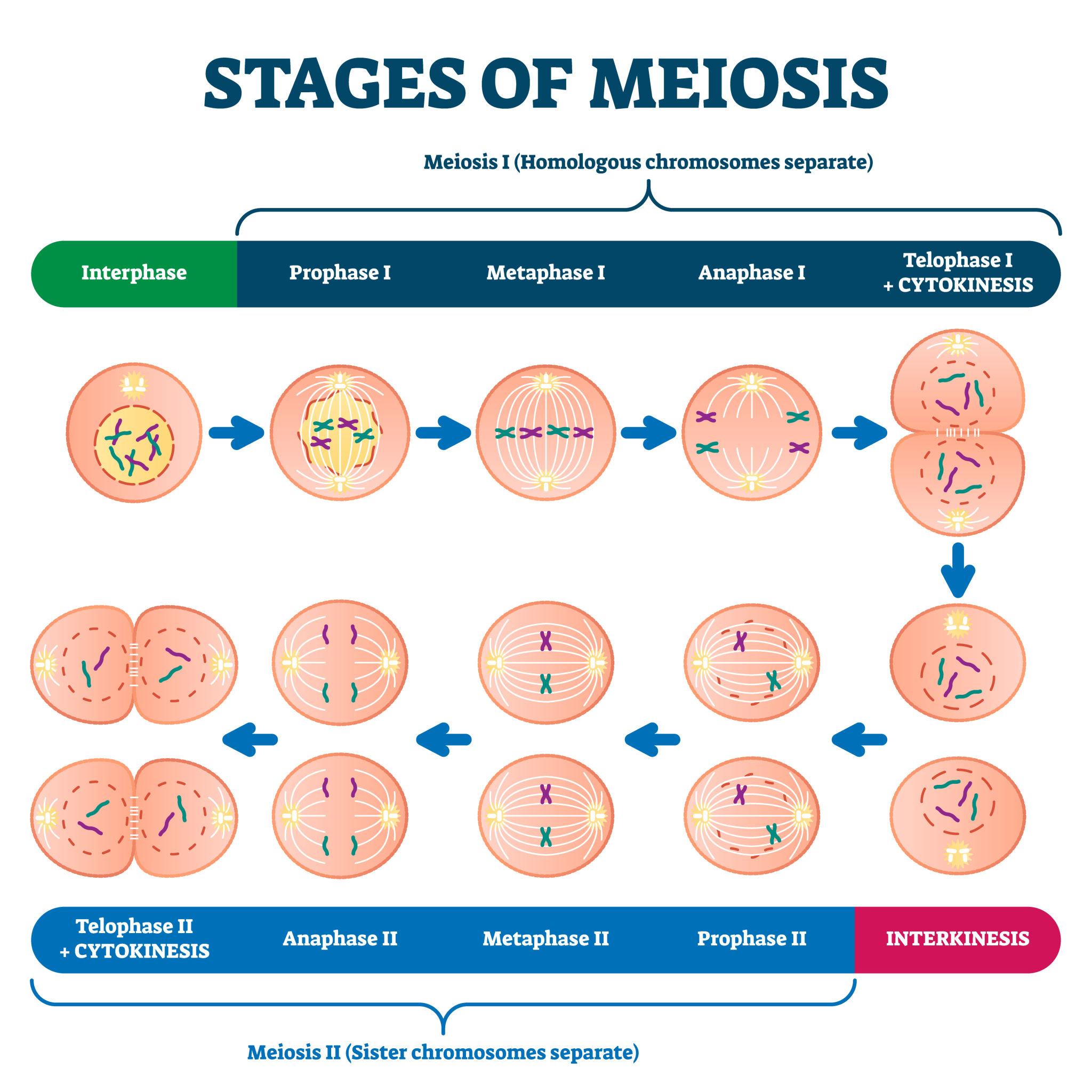
Meiosis is the type of cell division that produces four genetically different daughter cells, each having half the number of chromosomes of the parent cell.
It is essential for:
-
Formation of gametes (sperm and egg)
-
Sexual reproduction
-
Genetic variation
Key Features of Meiosis
-
Occurs in reproductive cells
-
Involves two divisions (Meiosis I and Meiosis II)
-
Produces 4 non-identical cells
-
Chromosome number is halved
-
Causes genetic variation
Meiosis I and Meiosis II
Meiosis I
-
Homologous chromosomes separate
-
Crossing over occurs (exchange of genetic material)
-
Reduces chromosome number
Meiosis II
-
Similar to mitosis
-
Sister chromatids separate
-
Produces four haploid cells
Difference Between Mitosis and Meiosis (Tabular Form)
| Basis | Mitosis | Meiosis |
|---|---|---|
| Type of cells | Somatic cells | Reproductive cells |
| Number of divisions | One | Two |
| Number of daughter cells | 2 | 4 |
| Genetic similarity | Identical | Genetically different |
| Chromosome number | Same as parent | Half of parent |
| Crossing over | Does not occur | Occurs |
| Role | Growth and repair | Sexual reproduction |
| Genetic variation | No | Yes |
This table is frequently asked in:
-
Class 9 and 10 board exams
-
Class 11 and 12 biology
-
NEET conceptual questions
Why Is Mitosis Important?
-
Helps in body growth
-
Heals wounds
-
Maintains chromosome stability
-
Essential for tissue repair
Without mitosis, organisms would not grow or replace damaged cells.
Why Is Meiosis Important?
-
Produces gametes
-
Maintains chromosome number across generations
-
Introduces genetic variation
-
Supports evolution
Without meiosis, sexual reproduction would not be possible.
Common Student Confusions
-
Thinking mitosis and meiosis are the same
-
Forgetting that meiosis has two divisions
-
Confusing chromosome number changes
-
Not understanding crossing over
-
Mixing up somatic and reproductive cells
Understanding the logic behind the process removes these confusions.
Quick Memory Trick to Remember the Difference
-
Mitosis = Maintenance
(Growth, repair, identical cells) -
Meiosis = Making gametes
(Reproduction, variation, half chromosomes)
This small trick helps during MCQs and quick revision.
Mitosis vs Meiosis for Exams
Board Exams
-
Definitions
-
Difference table
-
Diagram labeling
-
Short notes
NEET Preparation
-
Concept-based MCQs
-
Crossing over mechanism
-
Chromosome number logic
-
Genetic variation questions
Clear understanding of this topic helps in:
-
Genetics
-
Reproduction
-
Evolution
-
Cell cycle
Quick Revision Points
-
Mitosis → 2 identical cells
-
Meiosis → 4 different cells
-
Mitosis keeps chromosome number same
-
Meiosis halves chromosome number
-
Crossing over occurs only in meiosis
Conclusion
The difference between mitosis and meiosis is one of the most fundamental topics in biology. While mitosis helps in growth and repair, meiosis ensures reproduction and genetic diversity. Understanding both processes clearly builds a strong foundation for higher-level biology topics.
If you focus on the purpose, number of divisions, chromosome count, and genetic outcome, you will never confuse the two again.